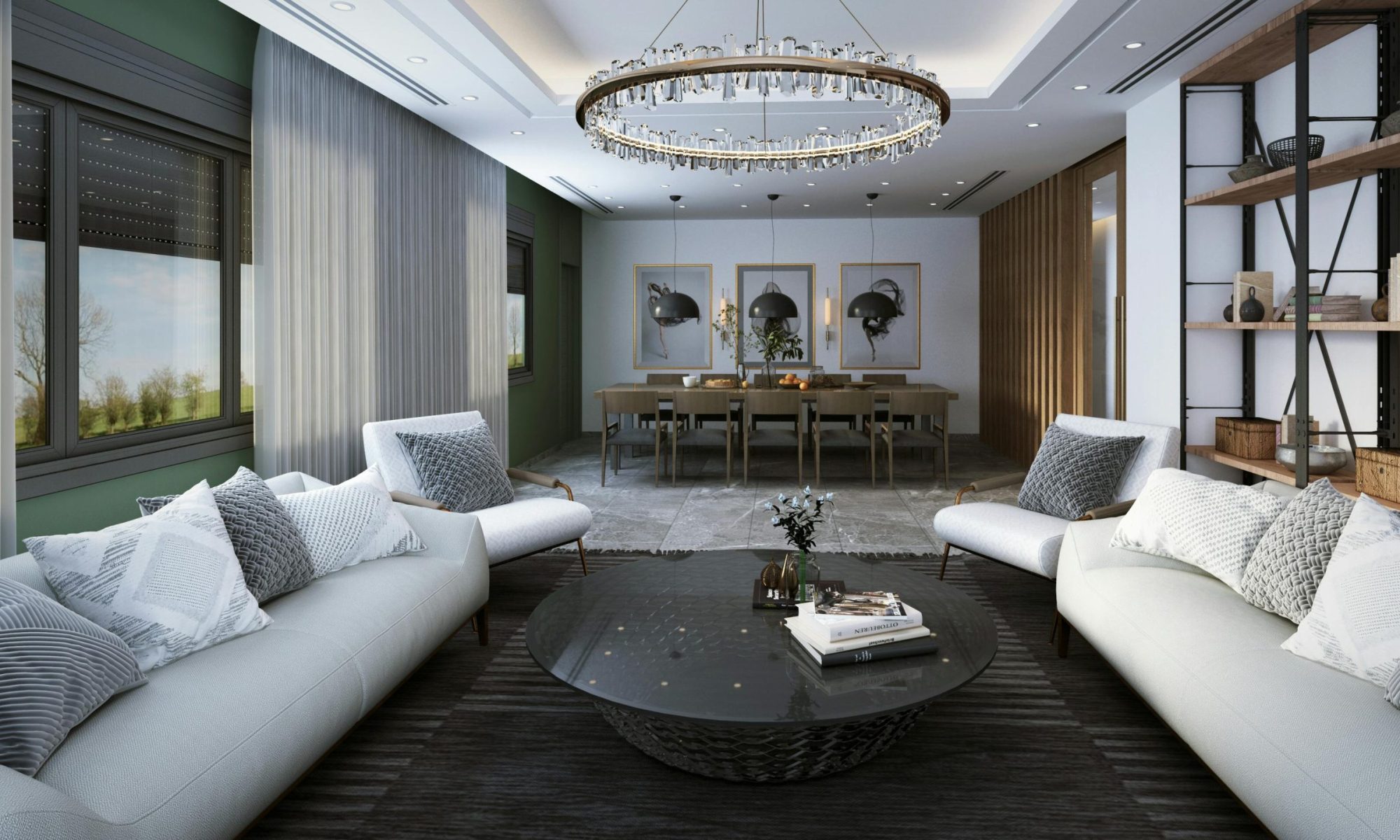


The Power of Light in Modern Living
Lighting is more than illumination—it’s the silent architect of mood, functionality, and style in your home. A well-designed residential lighting system doesn’t just brighten a room; it enhances textures, highlights focal points, and adapts to your lifestyle. With the rise of smart lighting control systems like Loxone, Rako, and LED technology, homeowners can now achieve seamless automation, energy efficiency, and unparalleled comfort—all at the touch of a button or via voice command.
We will explore how intelligent lighting design and smart automation work together to:
✔ Elevate interior aesthetics with layered, dynamic lighting
✔ Simplify control for effortless daily use
✔ Reduce energy costs through smart scheduling and efficiency
✔ Enhance well-being with human-centric lighting
The Role of Lighting in Interior Design
1. Layered Lighting: The Foundation of Ambiance
Great lighting design relies on three key layers:
- Ambient lighting (general illumination)
- Task lighting (focused light for activities)
- Accent lighting (highlighting architectural or decorative features)
Smart systems like Loxone and Rako allow homeowners to pre-program scenes that balance these layers automatically. For example:
- “Morning Mode” – Soft, warm ambient light with bright task lighting in the kitchen.
- “Evening Relax” – Dimmable accent lights and warm LEDs create a cosy, inviting atmosphere.
- “Entertainment” – Dynamic RGB LED strips sync with music or movies for an immersive experience.
By integrating these layers with smart controls, lighting becomes an invisible yet powerful design element.


Smart Lighting Control Systems: The Future of Home Lighting
2. Loxone: Intelligent Automation for Effortless Living
Loxone is a fully integrated smart home system that goes beyond lighting. Its lighting automation features include:
✅ Preset scenes – One-touch activation for different moods or times of day.
✅ Motion and presence detection – Lights turn on/off automatically when you enter or leave a room, saving energy.
✅ Daylight harvesting – Adjusts artificial light based on natural light levels, reducing electricity use by up to 30%.
✅ Integration with other systems – Works with blinds, heating, and security for a unified smart home experience.
Why it stands out:
- No need for multiple apps – Control everything from a single interface.
- Future-proof – Easily expandable as your needs grow.


3. Rako: Precision and Elegance in Lighting Control
Rako is renowned for its sleek, user-friendly keypads and wireless dimming capabilities. Key benefits:
✔ Smooth dimming – No flickering, even with LED loads.
✔ Scene setting – Customise lighting for cooking, dining, or relaxing.
✔ Retrofit-friendly – Ideal for both new builds and renovations.
✔ Energy monitoring – Track usage and identify savings opportunities.
Perfect for:
- Luxury homes where aesthetics and performance matter.
- Retrofit projects where minimal disruption is key.


4. LED Lighting: Efficiency Meets Versatility
Modern LED lighting is the backbone of smart residential design due to:
🔹 Energy efficiency – Uses 90% less energy than incandescent bulbs.
🔹 Longevity – Lasts 25,000+ hours, reducing maintenance costs.
🔹 Design flexibility – Available in tunable white, RGB, and linear profiles for custom looks.
🔹 Smart compatibility – Works seamlessly with Loxone, Rako, and other systems.
Pro Tip: Use tunable white LEDs to adjust colour temperature (warm to cool) throughout the day, mimicking natural light cycles for better sleep and productivity.
How Smart Automation Enhances Comfort and Saves Money
5. The Convenience of Automation
Gone are the days of flicking switches or fumbling for dimmers. With smart lighting automation:
- Geofencing – Lights turn on as you approach home and off when you leave.
- Voice control – “Alexa, set the living room to Movie Night.” (Compatible with Amazon Alexa, Google Home, and Apple HomeKit.)
- Time-based scheduling – Lights adjust automatically at sunrise/sunset or bedtime.
Result? A home that anticipates your needs—no manual adjustments required.
6. Energy Savings: Smart Lighting Pays for Itself
Smart lighting isn’t just about convenience—it’s a cost-saving powerhouse. Here’s how:
💡 Occupancy sensors – Lights only stay on when a room is in use.
💡 Daylight dimming – Reduces reliance on artificial light during the day.
💡 Energy reports – Systems like Loxone provide usage insights, helping you optimise further.
💡 LED efficiency – Lower wattage = lower bills.
Example: A 200m² home with smart LED lighting and automation can save £200–£400 annually on energy costs.
Design Tips for User-Friendly Smart Lighting
7. Keep It Intuitive
The best smart lighting systems are so easy to use, you forget they’re there. Follow these principles:
- Limit the number of scenes – 4–6 per room is ideal (e.g., Day, Evening, Dinner, Relax, Entertain, Night).
- Label clearly – Use engraved keypads (Rako) or app icons (Loxone) for instant recognition.
- Group logically – Control all downstairs lights from one panel or via voice.
8. Prioritise Flexibility
- Zoning – Divide open-plan spaces into lighting zones (e.g., kitchen, dining, lounge) for independent control.
- Future-proofing – Choose systems like Loxone that allow easy updates as technology evolves.
The Future of Residential Lighting: What’s Next?
Smart lighting is evolving rapidly. Emerging trends include:
🔮 AI-driven automation – Systems that learn your habits and adjust lighting preemptively.
🔮 Circadian lighting – LEDs that automatically adjust to support your body’s natural rhythm.
Conclusion: Lighting as the Ultimate Home Upgrade
Investing in smart residential lighting design is more than a luxury—it’s a practical, cost-effective way to enhance your home’s beauty, functionality, and efficiency. Systems like Loxone and Rako, paired with energy-saving LEDs, offer:
✅ Effortless control via apps, voice, or automation.
✅ Stunning, customisable ambiance for any occasion.
✅ Significant energy and cost savings over time.
Ready to transform your home? Start with a consultation from a smart lighting specialist to design a system tailored to your space and lifestyle.
Call to Action
📞 Contact us today to explore smart lighting solutions for your home.
💡 Upgrade to LED and start saving immediately.


FAQs
Q: Is smart lighting expensive to install?
A: While the upfront cost is higher than traditional lighting, smart systems pay for themselves through energy savings and increased property value. Loxone and Rako offer scalable solutions to fit various budgets.
Q: Can I control smart lighting when I’m away from home?
A: Yes! Most systems (including Loxone and Rako) offer remote access via smartphone apps, so you can adjust lights, check energy usage, or even simulate occupancy for security.
Q: Are LED lights really better for the environment?
A: Absolutely. LEDs consume less energy, last longer, and contain no hazardous materials (unlike CFLs), making them the eco-friendly choice.
Q: Do I need a professional to install smart lighting?
A: For full-home automation (Loxone), yes—a certified installer ensures seamless integration. However, Rako and some LED systems offer DIY-friendly options for smaller projects.
Final Thought:
In the world of interior design, lighting is the brushstroke that brings a space to life. With smart control systems, that brushstroke becomes effortless, efficient, and endlessly customisable. Whether you’re building a new home or retrofitting an existing one, now is the time to illuminate your space intelligently.